


What Happens When Multiple Retail Leases Expire at the Same Time?
A retail center running at 95% occupancy can look financially healthy while quietly accumulating serious risk. When multiple leases cluster around the same expiration window, owners face simultaneous pressure on income, valuation, and negotiating leverage. Here is what to look for before the market forces the conversation.

Mid-Year Check-In: Should I Sell, Refinance, or Hold My Retail Property?
For long-time Orange County retail owners, 2026 isn't a crisis year. It's a decision year. A lot has shifted quietly, and the owners who stop to evaluate their position before the next offer or lease expiration will be in a fundamentally different place than those who react. The right move isn't about cap rates alone. It depends on equity, leverage, liquidity, and where you want your portfolio in three to five years.
Skate to Where Retail Capital is Going
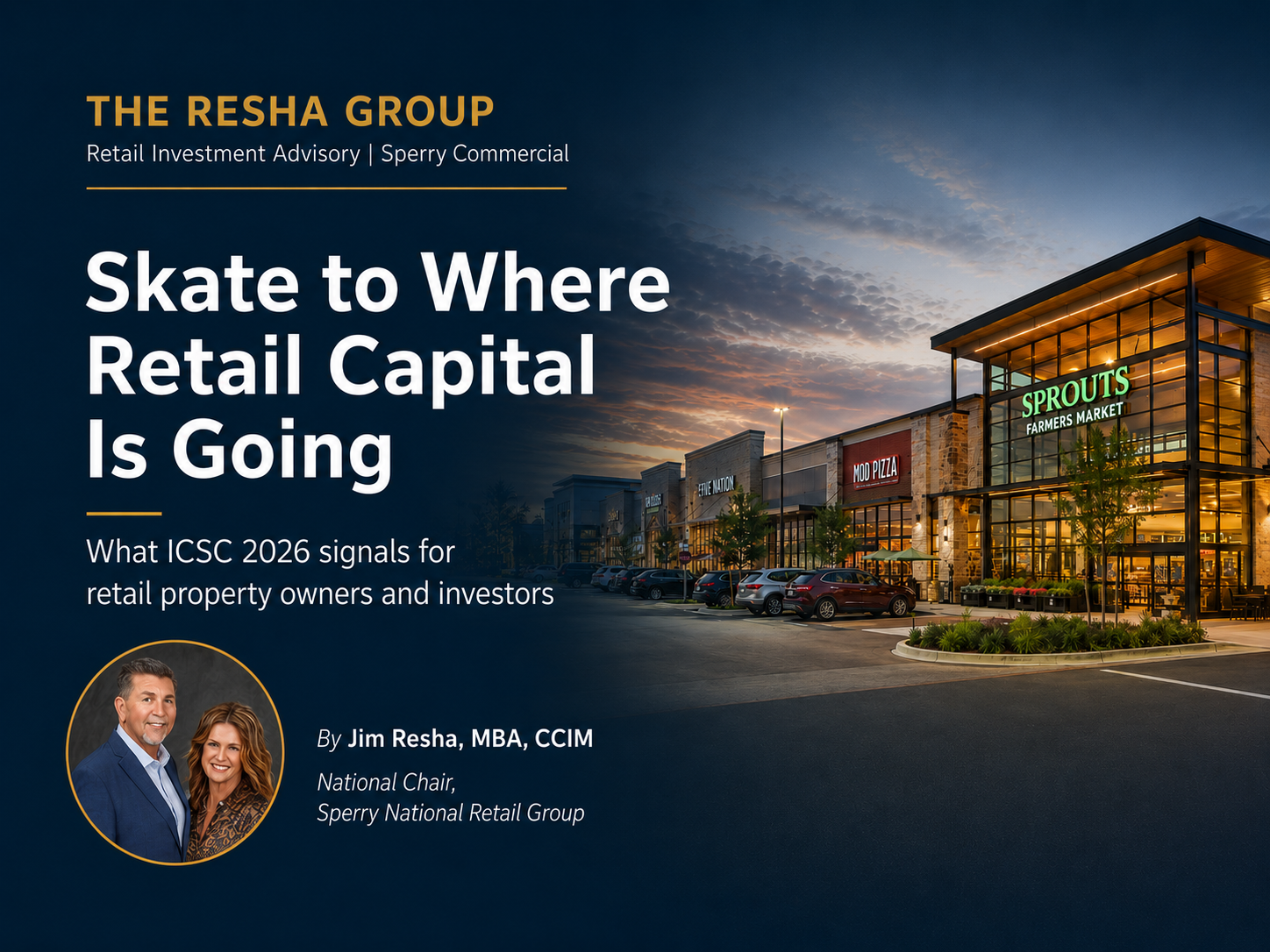
Retail investment real estate is no longer just a recovery story — it is an opportunity story. Coming out of ICSC 2026, one message was clear: capital is moving toward well-located, necessity-based, service-oriented retail assets with durable income and credible upside. For owners and investors, the key is not simply understanding where the market is today, but anticipating where it is going next.

Orange County Retail Market Insights: Q1 2026 Investment Sales Perspective
Orange County retail remains one of Southern California’s most closely watched commercial real estate sectors. Each quarter, The Resha Group reviews retail market fundamentals, investment sales activity, pricing trends, cap rates, supply conditions, and buyer behavior to help property owners and investors make better decisions.
Our goal is not simply to report market data. Our goal is to interpret what the data means for retail property owners, buyers, sellers, and investors evaluating whether to buy, sell, hold, refinance, reposition, or wait.

When to Sell or 1031 Your Retail Property: Five Signals That Shouldn't Be Ignored
Most retail owners don't decide to sell. The decision finds them. A tenant leaves, a loan matures, capital costs stack up, and by the time the pressure is obvious, the leverage is already gone. Here are five signals that it may be time to sell or execute a 1031 exchange before the market makes the decision for you.

How Buyers Underwrite Deferred Maintenance in 2026
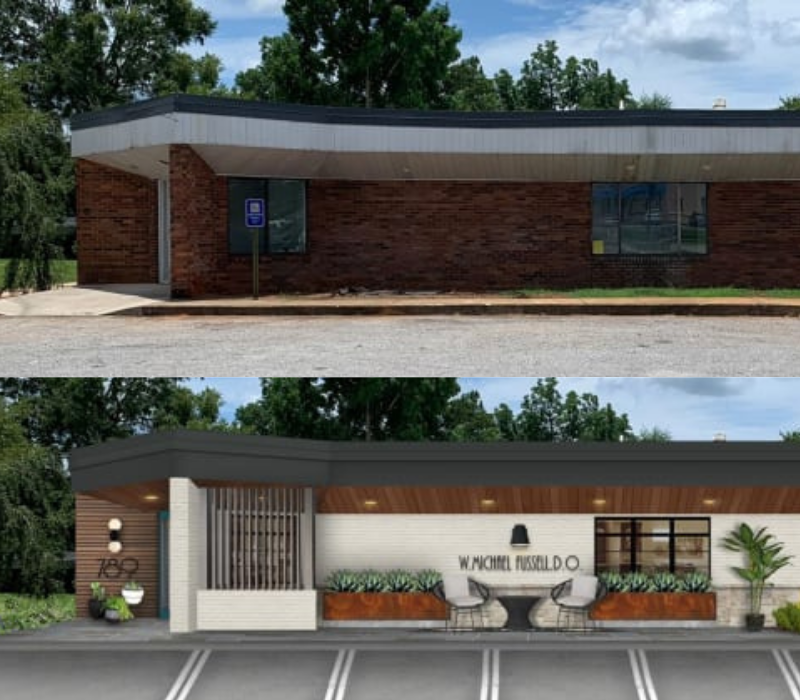
In today’s CRE market, buyers are not just underwriting income, they are underwriting risk. Deferred maintenance now impacts everything from cap rates to financing terms. Here is how it affects value and what retail owners should do before going to market.

What Does Portfolio Strategy Mean in Commercial Real Estate?
Many commercial real estate owners make decisions one property at a time. Portfolio strategy shifts the focus to how assets interact across risk, debt timing, lease rollover, and market cycles. Understanding these relationships helps CRE owners sequence decisions and strengthen long-term portfolio performance.

What Deferred CapEx Really Costs Commercial Property Owners Over Time
Deferred capital expenditures may feel like short-term cash preservation, but over time they can shift negotiating leverage, affect refinancing, and materially influence exit pricing. This article explores how deferred CapEx becomes a strategic decision in Orange County commercial real estate, including a real transaction case study showing how repair cost can turn into risk cost during due diligence.

How to Decide Whether to Hold, Sell, or Refinance Commercial Property in 2026
In 2026, many Orange County commercial property owners are being forced to revisit a long-deferred question: should you hold, sell, or refinance? Elevated borrowing costs, a growing wave of loan maturities, and widening performance gaps by asset type and submarket have made yesterday’s playbooks unreliable. This guide outlines the practical, data-driven framework The Resha Group uses to help owners evaluate cash flow durability, debt risk, and portfolio-level trade-offs so they can move forward with clarity instead of guesswork.

What Is a 1031 Exchange and How Does It Work in Orange County?
Selling a commercial property in Orange County often creates a unique tension for experienced owners. Long-term appreciation and limited supply have pushed values higher, but those gains also bring meaningful tax exposure at the point of sale. For seasoned Orange County CRE investors, however, the real risk is not the tax itself. It is making a rushed reinvestment decision under artificial deadlines without fully understanding how that move affects the portfolio as a whole.
This is where a 1031 exchange becomes a critical planning tool rather than a transactional afterthought.

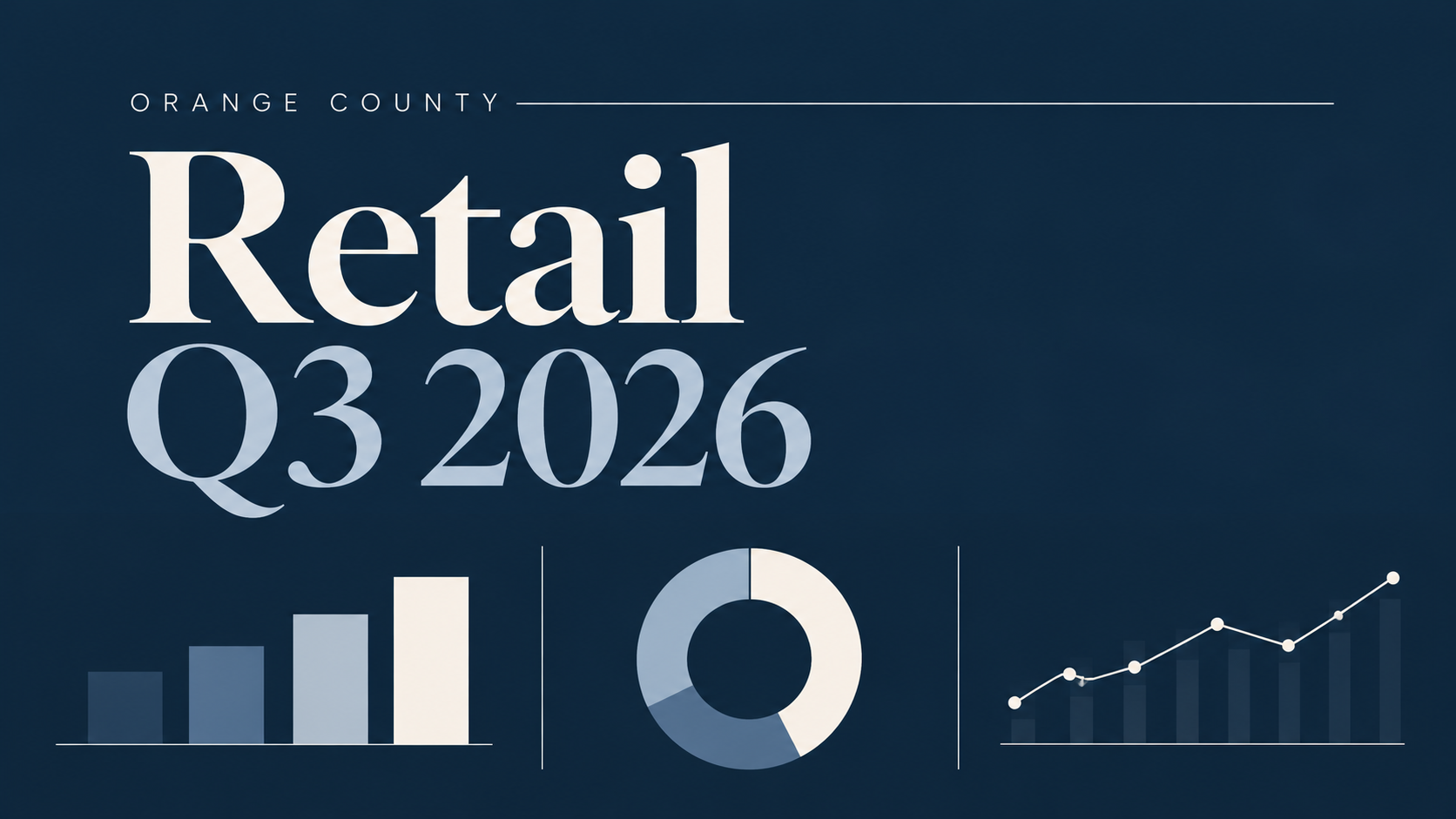
Orange County Retail Market Insights
Our Q3 2024 Orange County Retail Market Report is here, bringing you the latest insights on key trends, demand drivers, and investment opportunities in the region.


